Latvia: Culture and Landscape

Exploring Latvia Through Photos

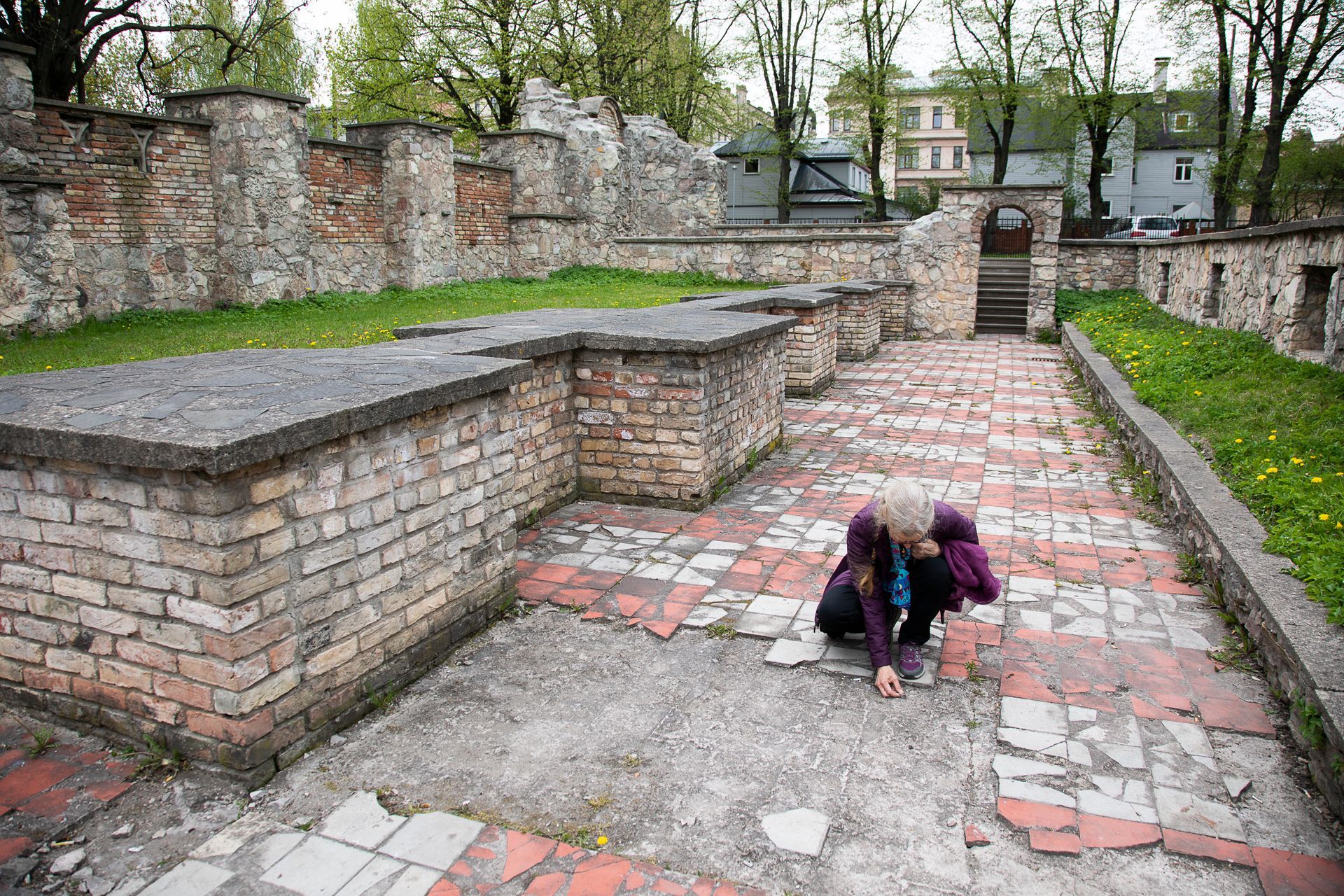
In 1941, the Nazis shut people in the Great Choral Synagogue and burned it to the ground. The site was bulldozed over. In the late Soviet era, the site was resurrected and turned into a Holocaust monument.

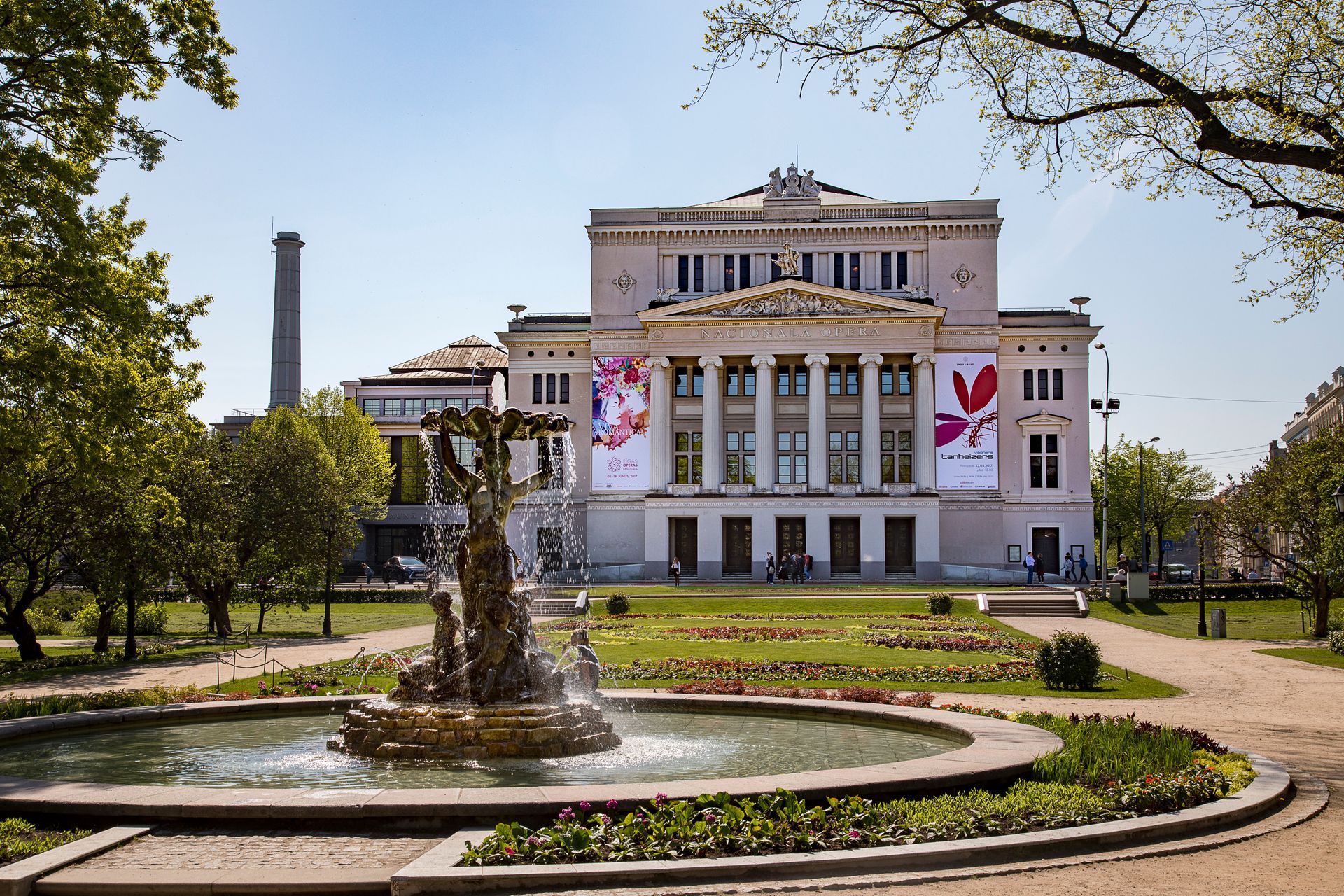
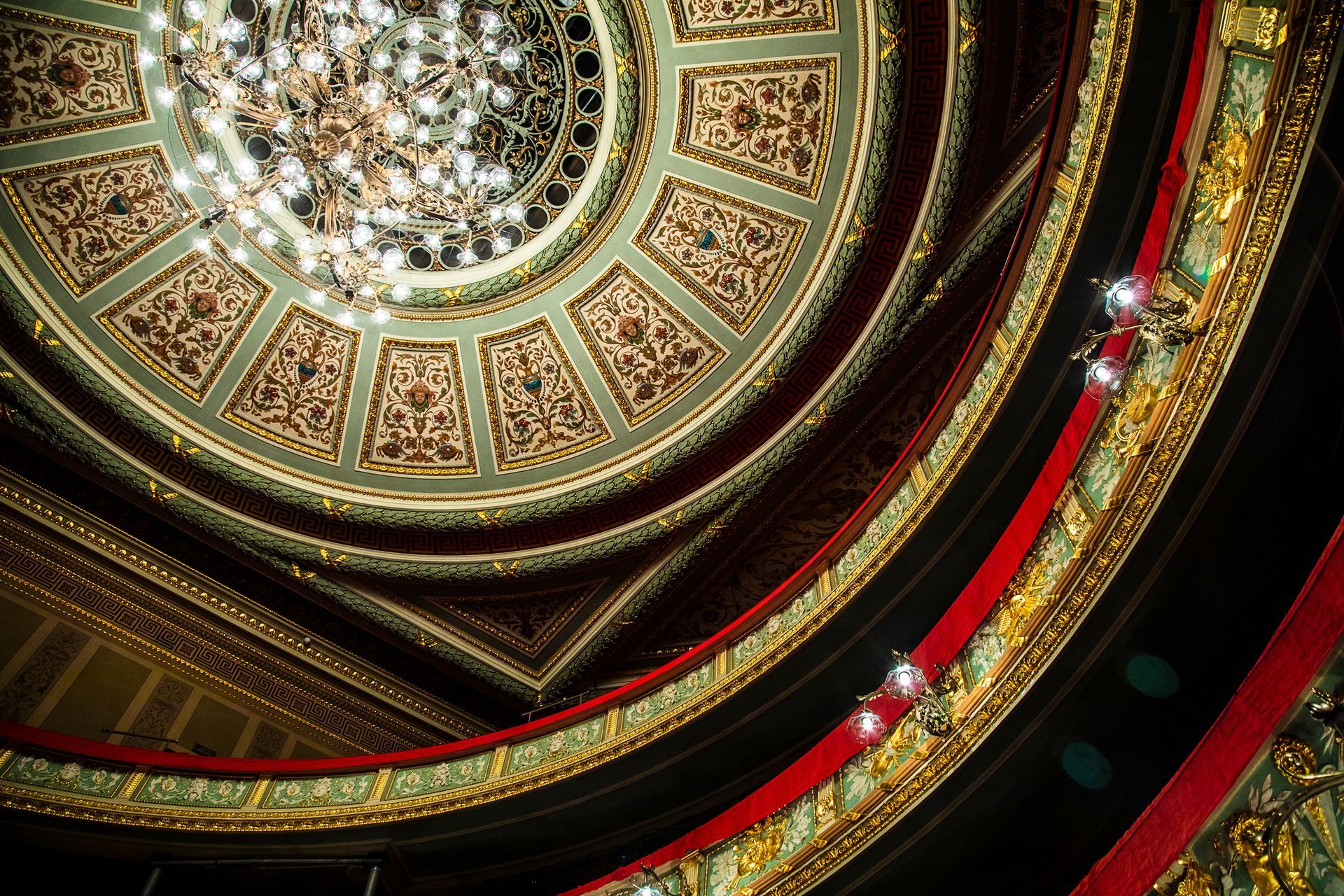
The National Opera. In Latvia, the government funds many of the arts. The state opera puts on some four productions each season, comprising 70 to 100 performances. By contrast, the San Diego Opera produces three operas each season, with a total of nine performances.

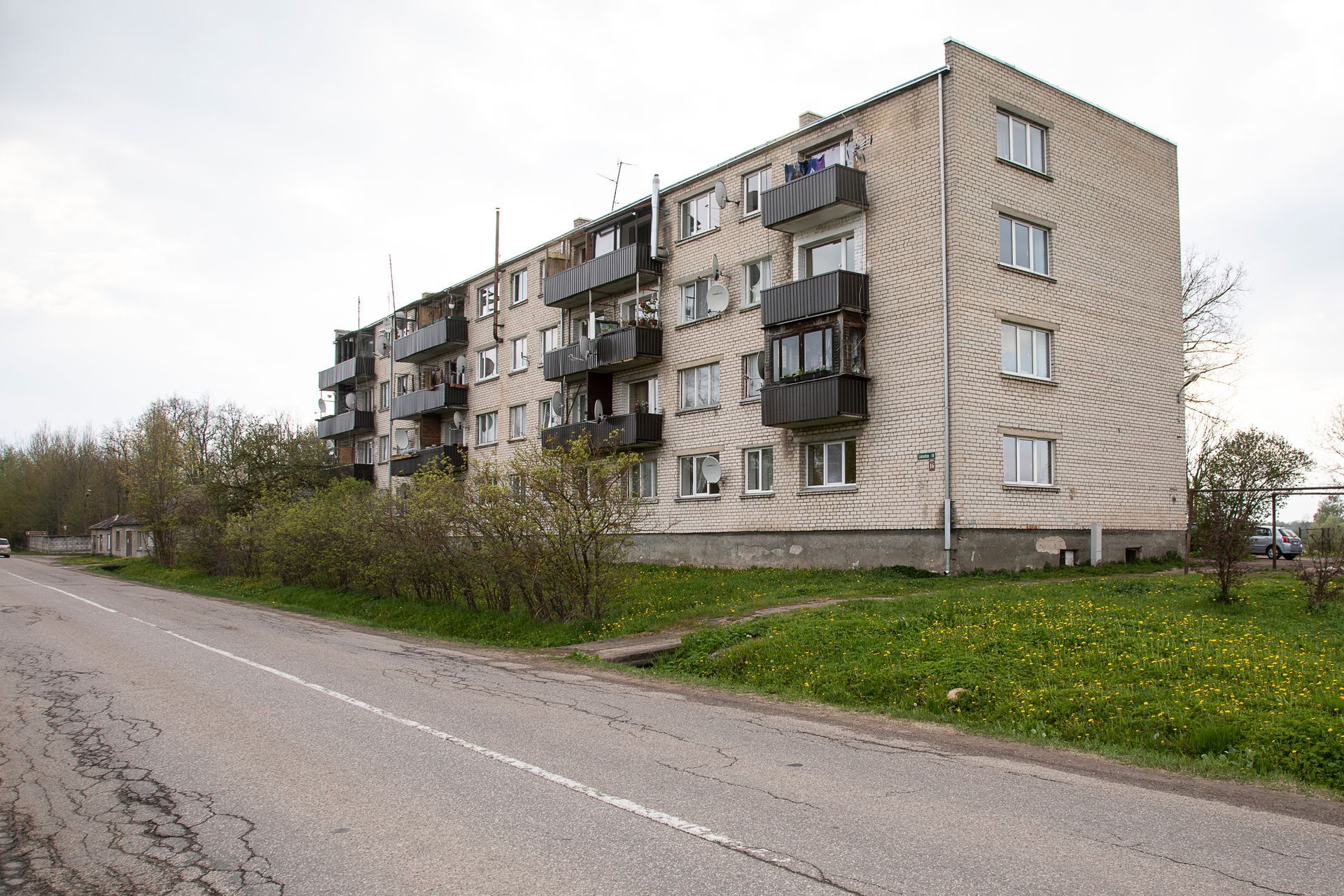
These apartment buildings are everywhere in Latvia. This one is out in the country, and would have housed members of the local farming collective. It would have represented a big step up in the standard of living for the farmers.

Inside the National Opera. In Latvia, the government funds many of the arts. The state opera puts on some four productions each season, comprising 70 to 100 performances. By contrast, the San Diego Opera produces three operas each season, with a total of nine performances.

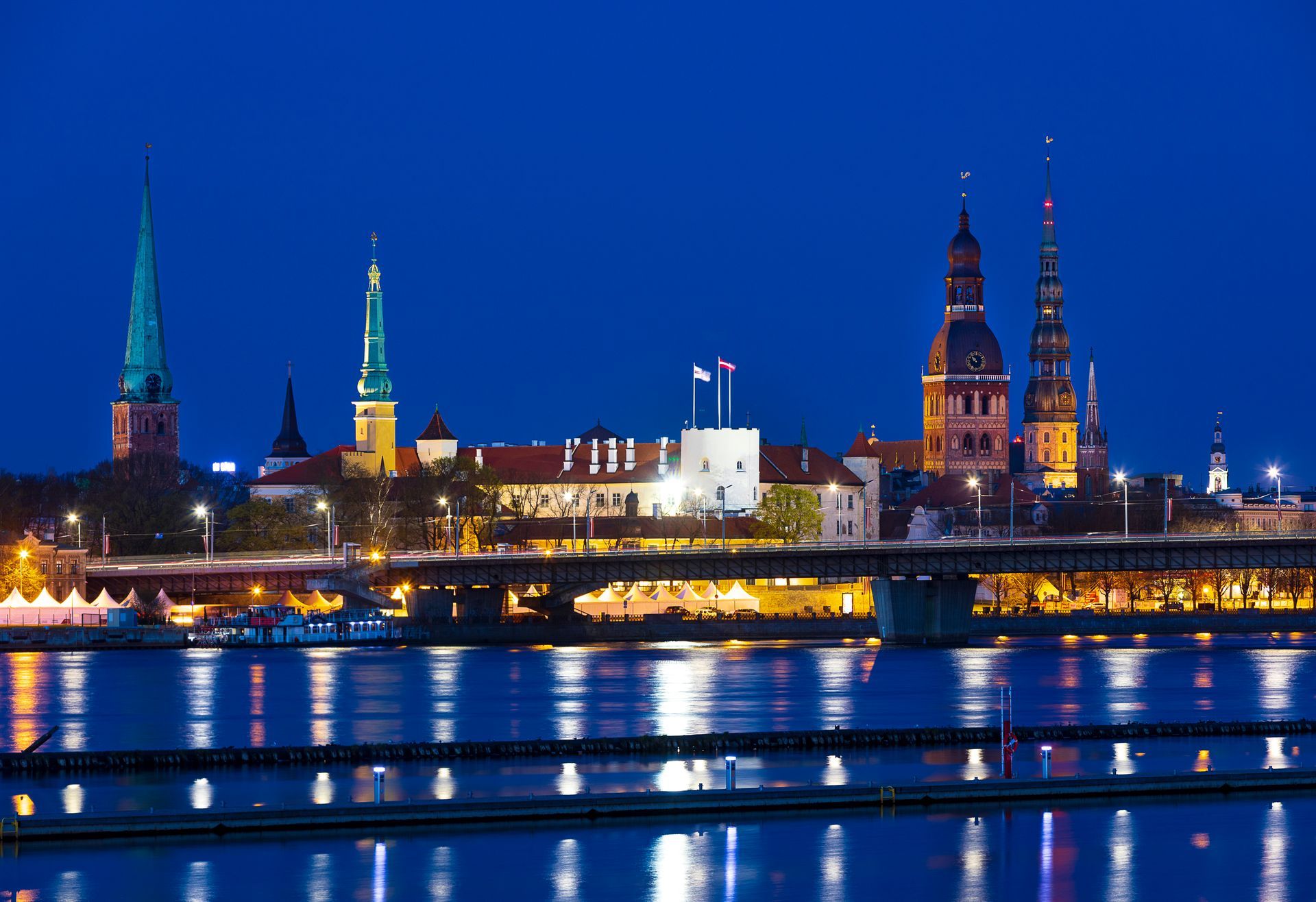
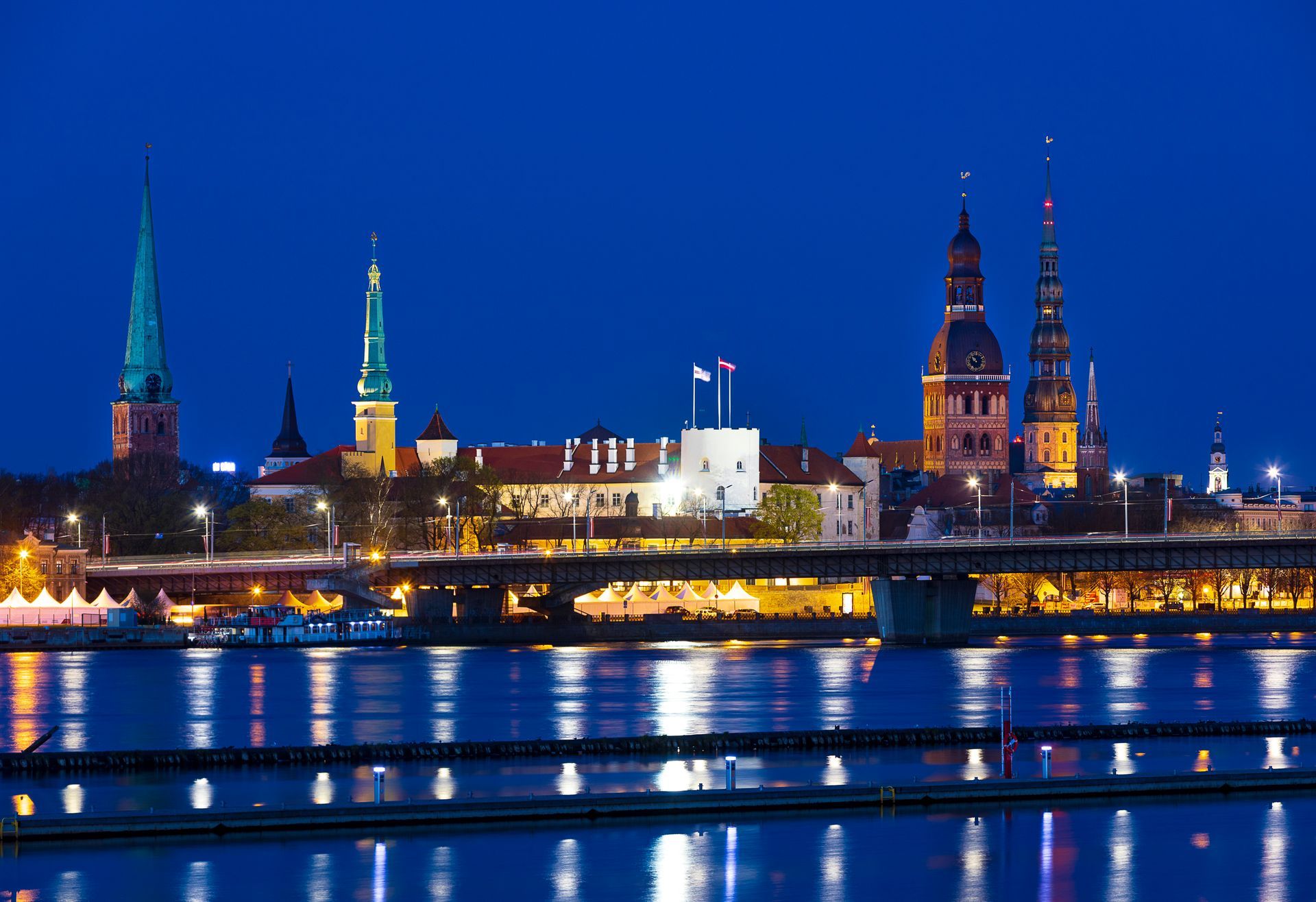
Skyline over the Daugava River.

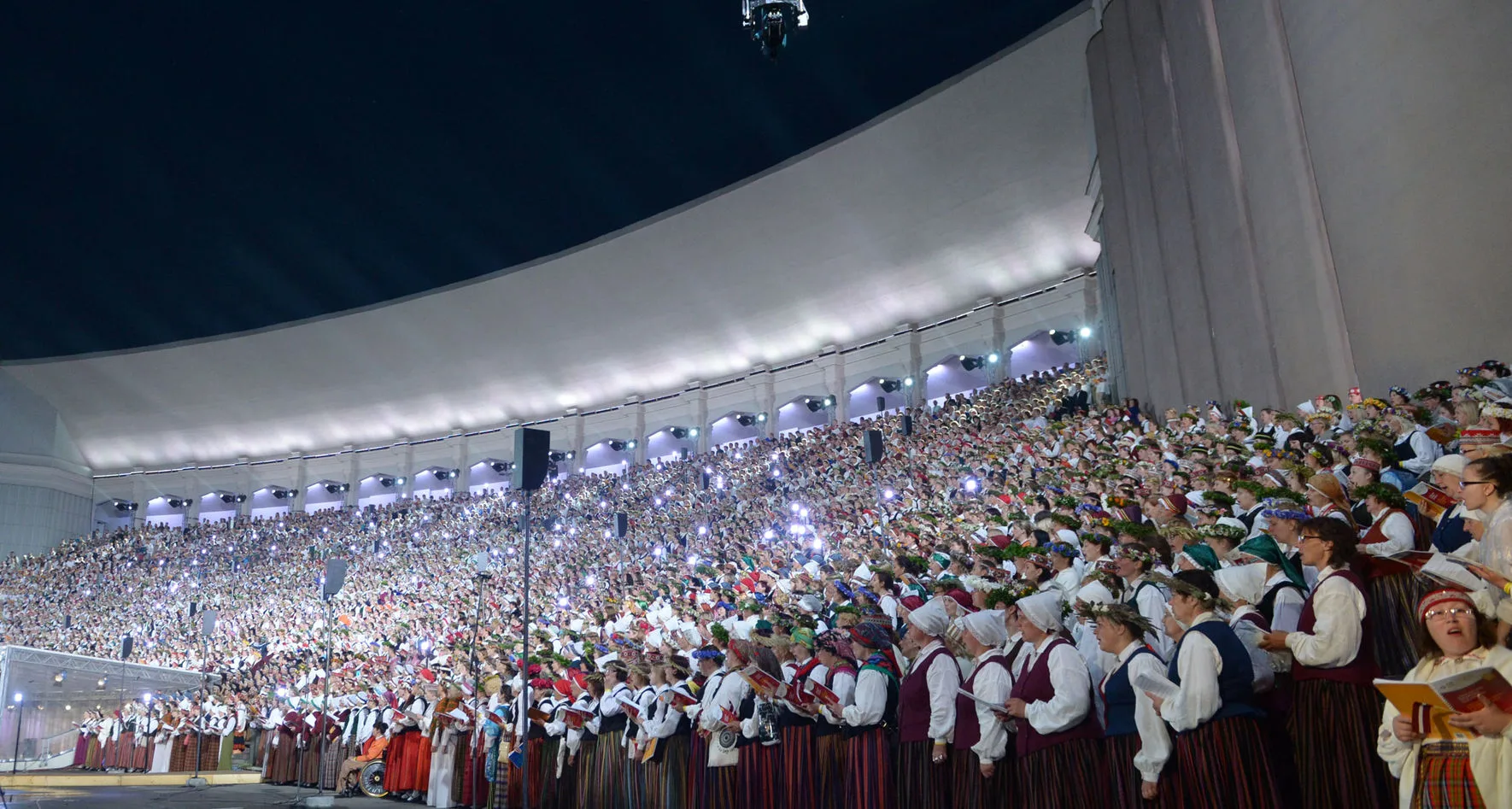
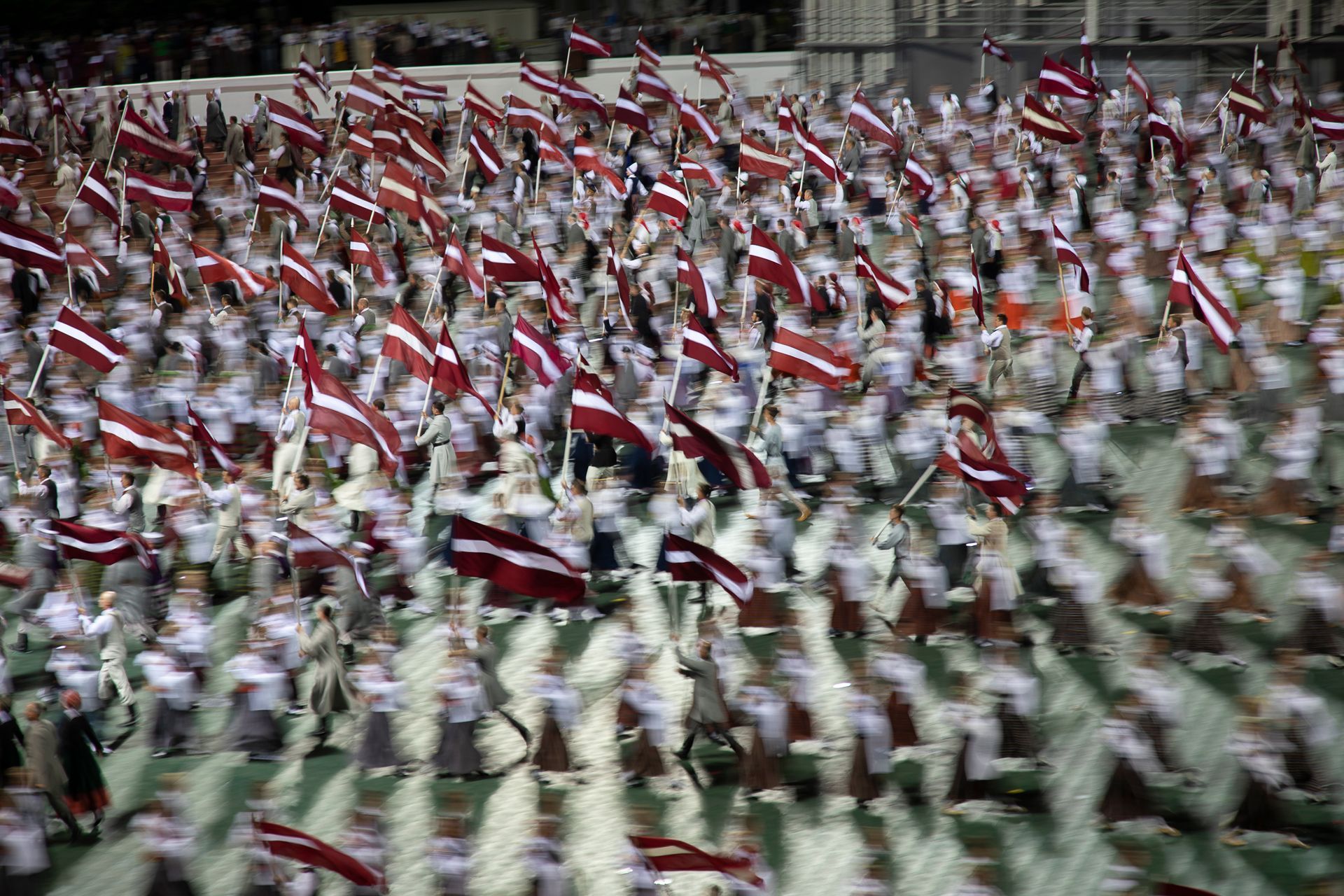
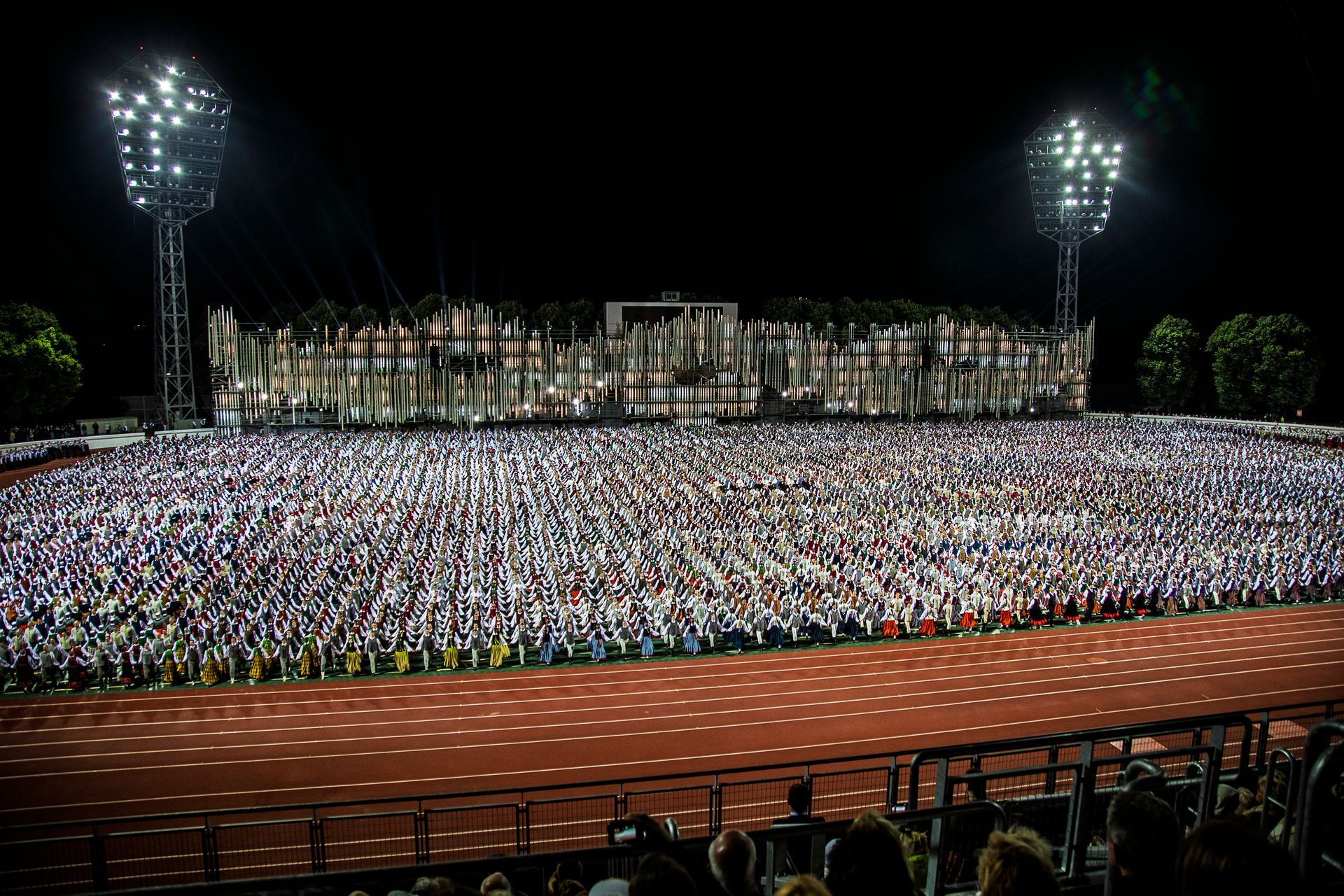
Every five years, the Latvians celebrate a national song and dance festival. It features two main highlights: a massed choir which and a giant dance performance involving over 18,000 dancers.

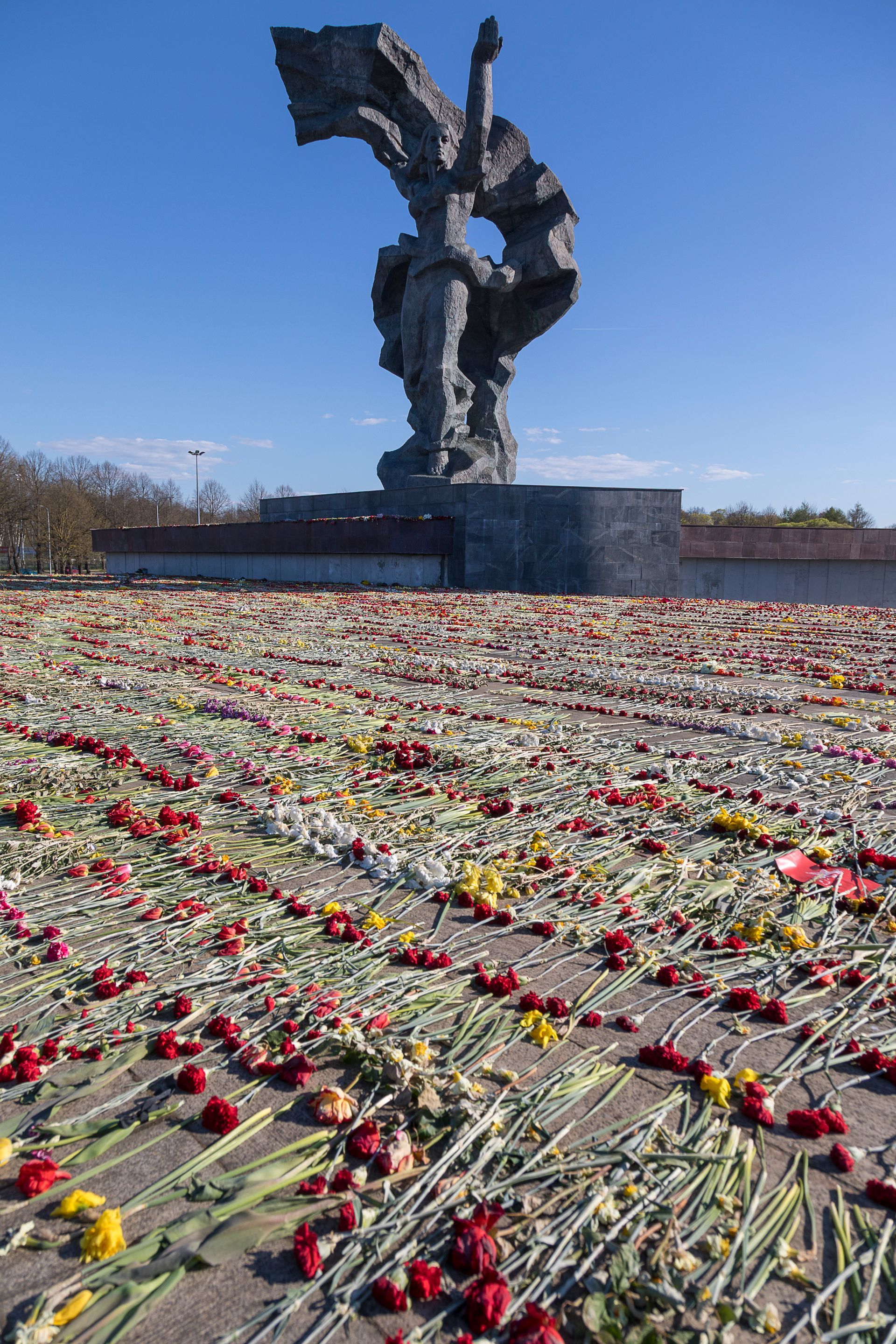
Soviet monument to the Great War against Germany. The flowers are laid by ethnic Russians on the anniversary of Germany's defeat. The monument has since been toppled in the wake of the Russian invasion of Ukraine.

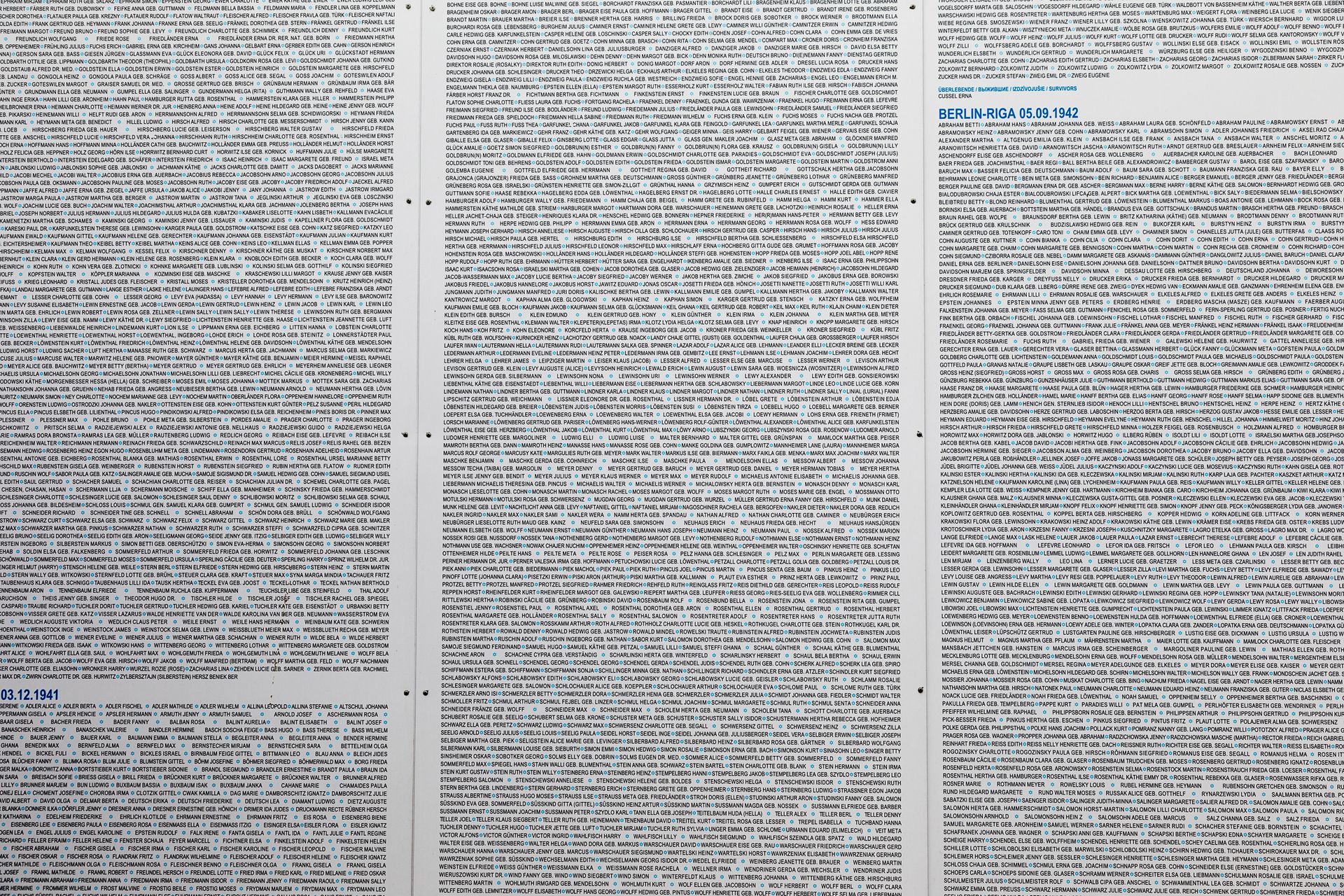
In the Riga Holocaust monument, a list of passengers from the area loaded onto trains destined for the death camps. Before the war, Riga had approximately 43,000 Jews. Afterwards, only a few hundred.

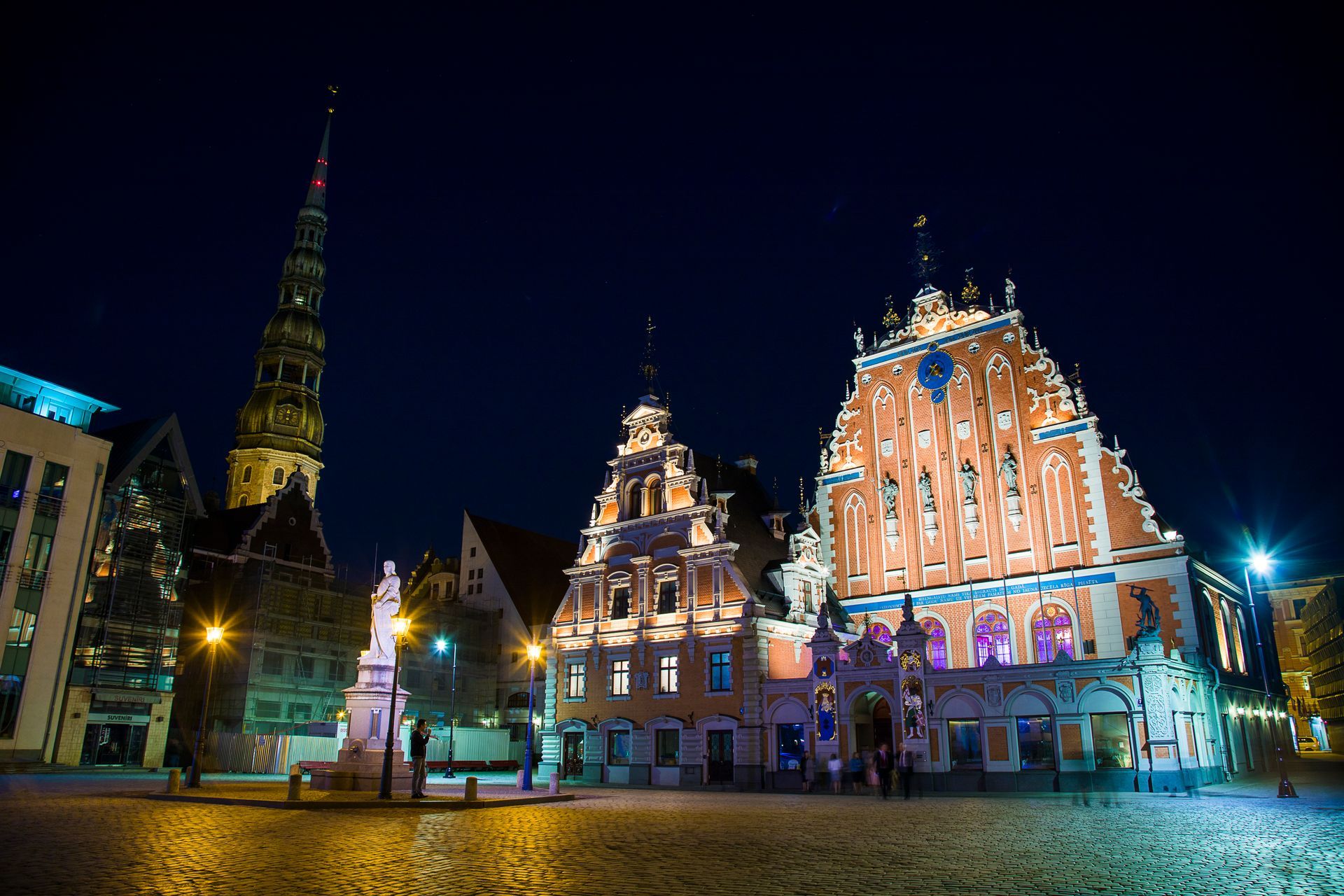
The House of the Blackheads was built in 1334 as a warehouse. In the 15th Century, it became the home of the Brotherhood of the Blackheads, a guild of German merchants and shipowners. Much of the facade dates in design from the early 17th Century, and can be traced to the Dutch. The building was destroyed in World War II, and razed by the Soviets in 1948. It was reconstructed in the 1990s, and for awhile housed the Latvian presidential offices.

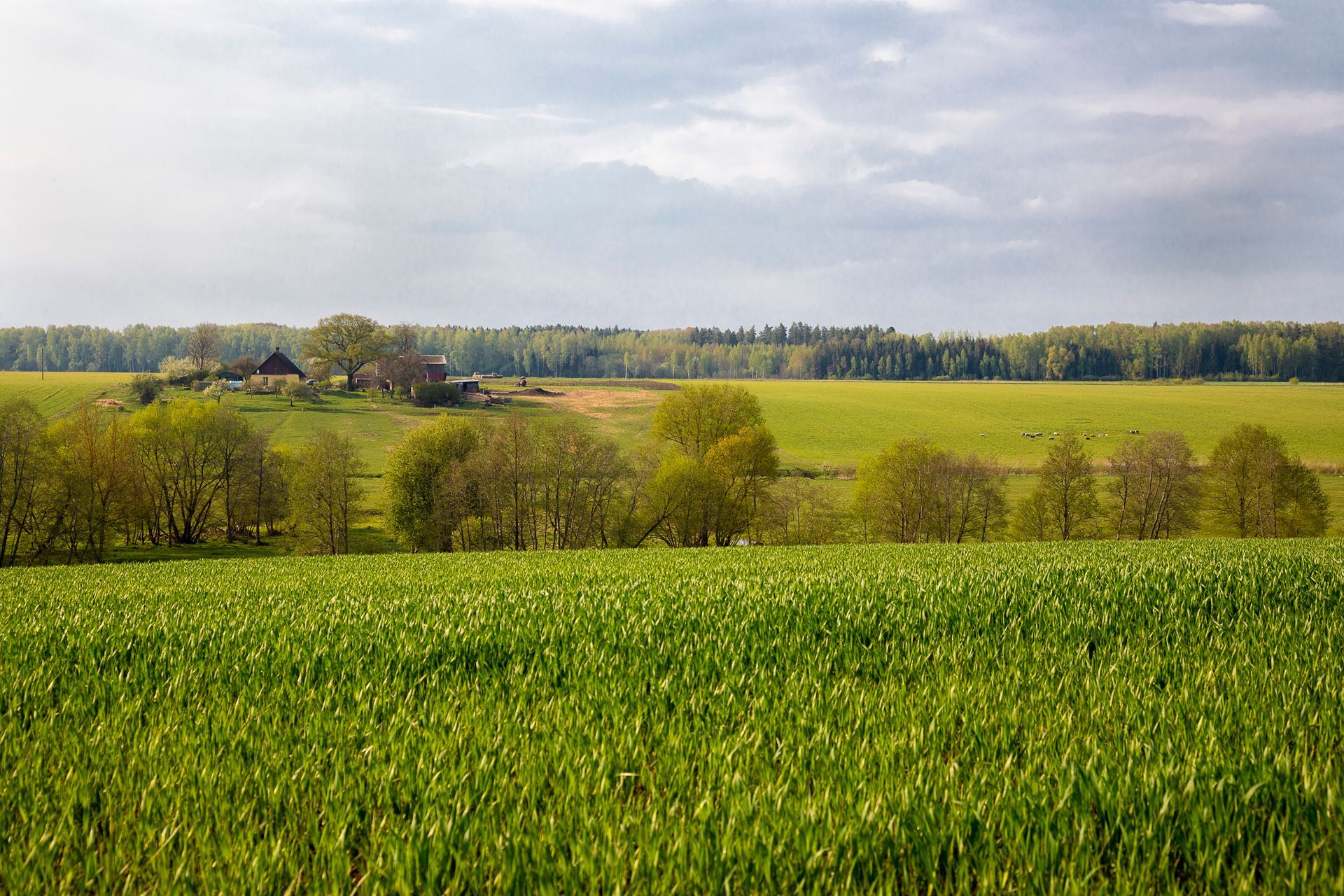
Latvian countryside.

Every five years, the Latvians celebrate a national song and dance festival. It features two main highlights: a massed choir which and a giant dance performance involving over 18,000 dancers.

March 5, 2026
Latvia’s 2018 Song and Dance Celebration featured a Mežaparks closing concert in Rīga with a 16,000-strong choir, held during Latvia’s centenary year.  Latvia’s Nationwide Song and Dance Celebration is a major cultural tradition, typically held every five years and bringing together choirs and dance groups from across the country. In July 2018, the celebration aligned with Latvia’s centenary of statehood (1918–2018) and was widely framed as a centenary milestone event. A centerpiece of the 2018 celebration was the closing concert at the Mežaparks Open-Air Stage in Rīga, where reporting described a 16,000-strong choir performing together on the grand stage. After the formal program, the closing night traditionally continues with a large sing-along, extending the shared repertoire beyond the scheduled performance. UNESCO recognizes the broader Baltic Song and Dance Celebration tradition (including Latvia) as intangible cultural heritage

August 14, 2025
Citizen diplomacy in action: bridging cultures one connection at a time